
Delta 8 vs Delta 9 vs THCA: What Smoke Shop Owners Need to Know in 2026
Introduction
A customer picks up a jar of THCA flower, a Delta-8 cart, and a pack of Delta-9 gummies, holds them up, and asks your cashier: “What’s the actual difference between these?”
If your staff can’t answer that cleanly, you’re losing two things — the sale, and the customer’s trust that you know what you’re selling. And in 2026, with a federal rewrite of hemp law landing in November, you need to understand these three categories not just to explain them at the counter but to decide what’s worth keeping on your shelves.
This is the retailer’s version of the explanation. Not a chemistry lecture — the plain-language version your team can use, plus the inventory and compliance angle that actually affects your business.
⚠️
This is an education / operations guide, not legal or medical advice. Cannabinoid laws differ from state to state and are evolving rapidly for 2026. Check the legality of any product in your particular state and seek legal counsel for decisions about legality.
The 30-second version
This is what your staff needs to know:
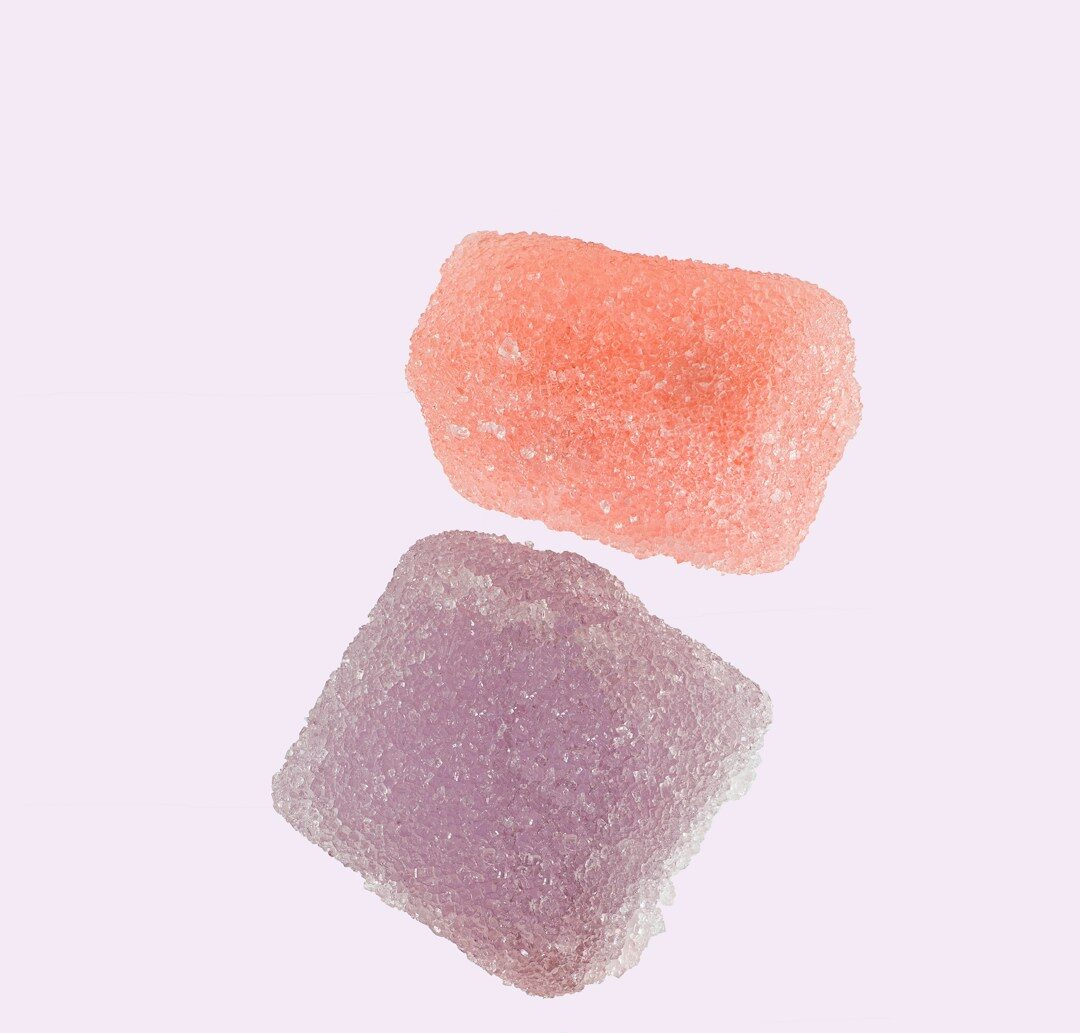
Delta-9 THC is the classic, most potent THC — the benchmark everything else is measured against. Compliant gummies are those that contain hemp-derived Delta-9, which is legal when derived from hemp and complies with the 0.3% by dry weight limit.
Delta-8 THC: You can say Delta-8 THC is a cousin of Delta-9. They are not as strong as Delta-9. They are made by converting CBD.
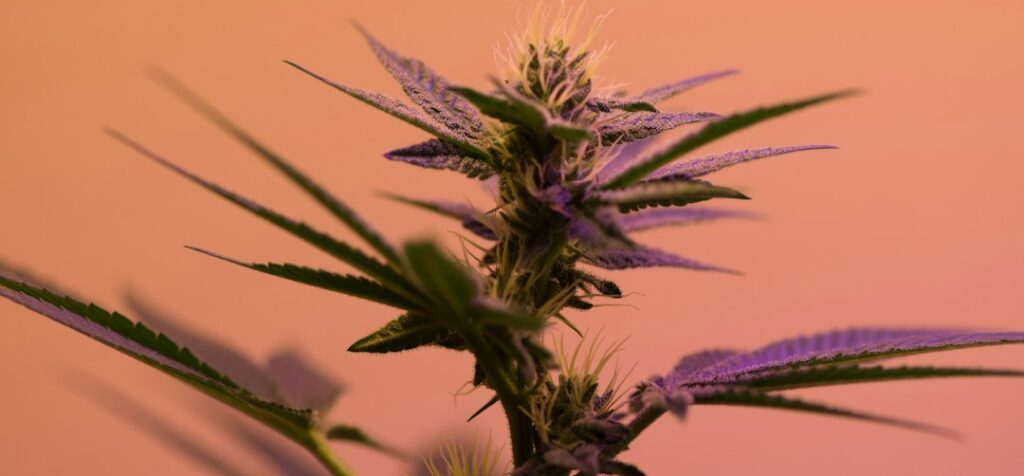
THCA is the raw, non-psychoactive form found in the living plant. It doesn’t get you high until it’s heated — then it converts to Delta-9. THCA flower smokes essentially like traditional cannabis.
All three can make someone fail a drug test, and all three are affected by the federal rule change coming November 12, 2026.
Delta-9 THC: the benchmark
The word THC is nearly always used to refer to Delta-9. It’s the most common and the most researched psychoactive cannabinoid in cannabis, and it’s the standard to which all other cannabinoids are measured against.
It produces the classic, well-recognized cannabis effect.
Here’s the part that matters for your shelves: the 2018 Farm Bill set a precise threshold — hemp-derived products with no more than 0.3% Delta-9 THC by dry weight are federally legal. That single number created the legal compliant-Delta-9 market.
A gummy can contain a real, felt dose of Delta-9 and still be federally legal, because on a dry-weight basis it stays under the 0.3% line. This is why you see hemp-derived Delta-9 edibles and beverages sold nationwide.
In short: Delta-9 is the strongest and most familiar of the three, and the compliant hemp-derived version exists because of a dry-weight math technicality — one the 2026 rule is specifically rewriting.
Delta-8 THC: the milder isomer
Delta-8 is what chemists call an isomer of Delta-9. Same chemical formula, slightly different structure — one double bond sits in a different spot. That small structural difference makes it noticeably less potent: most descriptions put Delta-8 at roughly half the strength of Delta-9, with users reporting a clearer, less anxious effect and more body relaxation. A 25mg Delta-8 gummy is often compared to a 10–15mg Delta-9 gummy.
Delta-8 does occur naturally in hemp, but only in tiny amounts — too little to extract commercially. So most Delta-8 on the market is converted from CBD through a chemical process (isomerization). That manufacturing reality is part of why regulators have scrutinized it: it’s less a “natural hemp extract” and more a processed product.
Legally, Delta-8 has occupied the most contested space of the three. It’s been treated as federally legal under the 2018 Farm Bill’s Delta-9-only standard, but more than 20 states have independently restricted or banned it since 2021. So even today, before any federal change, Delta-8’s legality is genuinely a state-by-state question. Never assume your last quarter’s status is current — check your state before each reorder.
THCA: the raw precursor and the "loophole"
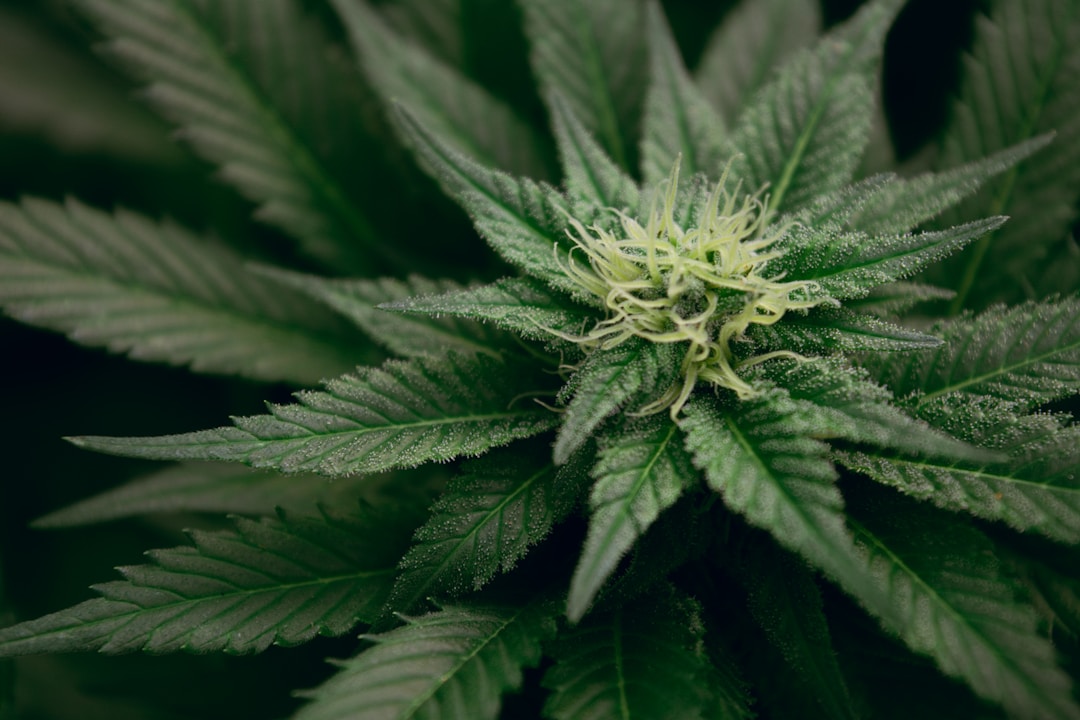
THCA (Tetrahydrocannabinolic) exist in the raw, non-psychoactive form of THC. It is found in the unheated cannabis plant.
On its own, it won’t get anyone high. But apply heat — a lighter, a vaporizer, an oven — and THCA converts to Delta-9 THC through a process called decarboxylation. Once that happens, THCA flower behaves essentially like traditional cannabis.
This is the source of the so-called “THCA loophole.” The 2018 Farm Bill measured only Delta-9 THC, not THCA. So a hemp flower could test at, say, 25% THCA and only 0.2% Delta-9 in its raw state — technically federally compliant, because raw THCA isn’t Delta-9.
But the moment a customer lights it, it smokes like high-potency cannabis. High-potency strains can carry THCA concentrations of 20–30% by dry weight, far above the 0.3% total-THC line.
That gap — compliant on the lab sheet, intoxicating in practice — is exactly what the November 2026 rule is written to close. THCA flower is the single category most directly in the crosshairs.
The comparison at a glance
A quick reference you can adapt for a counter card or staff training sheet:
| Delta-9 THC | Delta-8 THC | THCA | |
|---|---|---|---|
| Potency | Strongest (benchmark) | ~Half of Delta-9 | None raw; Delta-9 once heated |
| Psychoactive? | Yes | Yes, milder | No (until heated) |
| Source | Naturally abundant | Mostly converted from CBD | Naturally abundant in raw flower |
| Current legality | Hemp-derived legal under 0.3% dry weight | Federal gray area; 20+ states restrict | Compliant on Delta-9-only test; some states ban |
| Drug test | Fails | Fails | Fails |
| Nov 2026 impact | Edibles hit by 0.4mg cap | Largely restricted | Most directly targeted |
Do they show up on a drug test?
Yes. All three. This is one of the most common questions customers ask, and the honest answer is the same for all of them: standard drug tests screen for THC metabolites, and Delta-8, Delta-9, and heated THCA all produce them. There is no “legal so it won’t show” exception. If a customer’s job tests, none of these are safe for them, regardless of legal status. Train your staff to give that answer straight — it protects the customer and it protects you from a complaint later.
This is the part that should drive your inventory decisions for the rest of the year.
The federal definition of hemp was redefined in the federal Continuing Appropriations Act (H.R. 5371) that was signed into law on November 12, 2025. The new standard measures the total THC — including THCA — at 0.3% on a dry-weight basis, instead of just Delta-9 THC. It also introduces an additional cap: if the total amount of THC in an end product is over 0.4 mg per container, then it is not legally defined. That 0.4 mg is significantly lower than one typical dose in a majority of the THC gummies or drinks available. Enforcement begins November 12, 2026.
What that means category by category:
THCA flower: Hit hardest. The total-THC standard counts the THCA that makes the product work, so most high-THCA flower falls outside the legal definition.
Delta-8 and other converted isomers: Largely restricted under the new framework, on top of the 20+ state bans already in place.
Compliant Delta-9 edibles and beverages: Hit by the separate 0.4 mg-per-container cap, which is low enough to affect most current products.
One important caveat: this isn’t fully settled. In April 2026, lawmakers introduced amended legislation that would give states autonomy over hemp regulation rather than impose a blanket federal ban. Court challenges are also in play in some states. The deadline could move or the framework could change. But betting your fall inventory on a last-minute reprieve is a risk — the responsible move is to plan for the rule as written and treat any delay as upside.
How to manage these categories in your shop
Understanding the chemistry is step one. Selling these responsibly — and staying inspection-ready — is an operations problem your POS should handle.
Tag each cannabinoid as its own category. Don't lump Delta-8, Delta-9, and THCA under one "hemp" bucket. Separate categories let you see velocity per cannabinoid, pull a single category instantly if your state bans one, and apply different rules to each. When November's rule lands, you'll want to act on one category without touching the others.
Attach a COA to every product, every lot. Certificates of analysis are non-negotiable for these products — they're how you prove what's actually in the jar if an inspector or a customer asks. Keep the COA attached to the product in your POS so any staff member can pull it up at the counter.
Age-gate the whole category. All three are 21+ products. Set age verification at the category level so every SKU inside prompts for ID automatically, with no reliance on the cashier remembering.
Track lot numbers. If a product gets recalled or a state changes the rules on one cannabinoid, lot-level tracking lets you identify exactly what's on your shelves in minutes instead of digging through your stockroom.
Watch velocity weekly, not monthly. These categories move with the news cycle. A sudden drop in Delta-8 sales might be a blip or the leading edge of a regulatory shift pulling demand. Catching it early tells you when to stop the next reorder.
Quickvee handles all of this natively because it was built for age-restricted retail — category-level age gates, COA attachment, lot tracking, and per-category velocity reporting come standard. The chemistry you can teach your staff in an afternoon. The operational discipline is what protects the business when the rules move, and that's worth getting right before November.
FAQs
Delta-8 is in a gray area for federal law, as it is legal “cannabis” under the standard of the 2018 Farm Bill which only mandates that Delta-9 be present to legally define cannabis, but over 20 states have taken action to curb or ban it on their own since 2021. Don't assume that the situation of your last order is the same in your specific state; always check.
As a result of the new rule taking effect, most high potency THCA flower will no longer be within legal limits as the rule applies to total-THC and not just Delta-9. THCA flower is the single category most directly targeted by the change.
Yes — all three. Standard drug tests screen for THC metabolites, and Delta-8, Delta-9, and heated THCA all produce them. There's no legal so it won't show exception, regardless of a product's compliance status
Delta 8 occurs naturally in hemp, a very small amount to extract commercially. Delta 8 in the market is usually made up of CBD under a process and that process is called isomerization. This is one of the reasons it has been the focus of more regulatory attention than naturally occurring cannabinoids.
The new rule adds a cap of 0.4 mg of total THC per container — far below a typical dose in most current THC gummies or drinks. This hits compliant Delta-9 edibles and beverages hardest, since it's a separate limit from the 0.3% dry-weight threshold.
No. THCA is non-psychoactive in its raw form. It only converts to Delta-9 THC — and produces an effect — once it's heated through decarboxylation (smoking, vaping, or baking).
It's not fully settled. Amended legislation introduced in April 2026 would give states autonomy over hemp regulation instead of a blanket federal rule, and court challenges are active in some states. The responsible approach is to plan inventory around the rule as written and treat any delay as upside, not to bet on a reprieve.
Tag Delta-8, Delta-9, and THCA as separate categories rather than one hemp bucket. This lets you track sales velocity per cannabinoid, pull one category instantly if a state changes the rules on it, and act on a single category in November without disrupting the others.
Recent Blogs
Is THC Banned in 2026? State-by-State Guide for Retailers
August 24, 2026
Square CBD Shutdown: What Hemp and CBD Merchants Need to Do Now
August 11, 2026
Delta 8 vs Delta 9 vs THCA: 2026 Smoke Shop Guide
July 16, 2026
How to Increase Smoke Shop Sales with Online Ordering
June 10, 2026