
Is THC Banned in 2026? A State-by-State Guide for Smoke Shops and CBD Retailers
The use of THC is not prohibited in the whole United States. A federal law — Section 781 of the 2026 Appropriations Act — will redefine hemp by a total THC standard, with finished products capped at 0.4mg of total THC per container. This will remove approximately 95% of products on the legal market that contain THC derived from hemp in the form of THCA flower, THC and delta-8 drinks. Additionally, so far, there are at least 11 states that have laws against intoxicating hemp.
Key Facts
Effective Date
November 12, 2026 (possible delay to December 11, 2026 – pending House approval as of August 2026)
What Might Change
Hemp measured by total THC (Delta-9 + THCA + Delta-8) instead of Delta-9 alone
New Cap
0.4mg total THC per finished product container
Products at Risk
THCA flower, Delta-8/Delta-9 gummies, THC beverages, full-spectrum CBD
Products Unaffected
Industrial hemp, broad-spectrum CBD, THC-isolate CBD (zero THC)
States With Bans
Idaho, Tennessee, Arkansas, Kansas, Rhode Island, South Dakota, Iowa, Alaska, Delaware, New Hampshire, North Dakota, Hawaii
Is THC Banned in the United States?
As August 2026 is running, there is no ban for THC as of now. THC is legal in the hemp derived form under 2018 Farm Bill’s 0.03% delta-9 threshold, but it is soon going to be replaced on November 12, 2026.
After that date, most existing hemp-derived THC products will fall outside the legal definition of hemp and effectively be removed from the market, unless reformulated.
As per the federal timeline, several states restrict or ban THC related products under their own law. So to be honest, the answer is segregated in two parts: not banned federally yet, but some states have already restricted these products.
What Is the November 12, 2026 Hemp Deadline?
The November 12, 2026 deadline is the effective date of Section 781 of the Continuing Appropriations and Extensions Act, 2026 (Public Law 119-37). The law was enacted in November 2025 and will have a one-year implementation delay.
The federal definition of “hemp” shifts on that date from a THC-only content measurement to a total THC content measurement, including THCA and Delta-8. Also, finished hemp products will be limited to 0.4mg of total THC per container, significantly lower than the amount of THC in a typical THCA jar or 10mg gummy.
A Senate-passed stopgap funding measure would extend the date to Dec. 11, 2026, but it is not finalized and must be approved by the House. Retailers should continue to plan for Nov. 12 as the effective date until a delay is signed into law.
What Products Are Subject to the Hemp Ban?
The products most likely to fall out of legal compliance after November 12, 2026 are:
- THCA flower and pre-rolls — currently legal because they’re measured against Delta-9 only; under total-THC measurement, most exceed the new cap
- Delta-8 and Delta-9 gummies — typically dosed well above the 0.4mg container limit
- THC beverages — most mainstream hemp-derived THC drinks exceed the new threshold
- Full-spectrum CBD tinctures and softgels — these retain trace THC by design, which now counts against the cap
What Products Are NOT Affected?
- Industrial hemp grown for fiber or grain — not a target of this law
- Broad-spectrum CBD — formulated to remove THC entirely
- THC-isolate CBD products — contain zero THC by definition
These categories fall outside the new restriction regardless of the November deadline.
Which States Already Ban or Restrict THC Products?
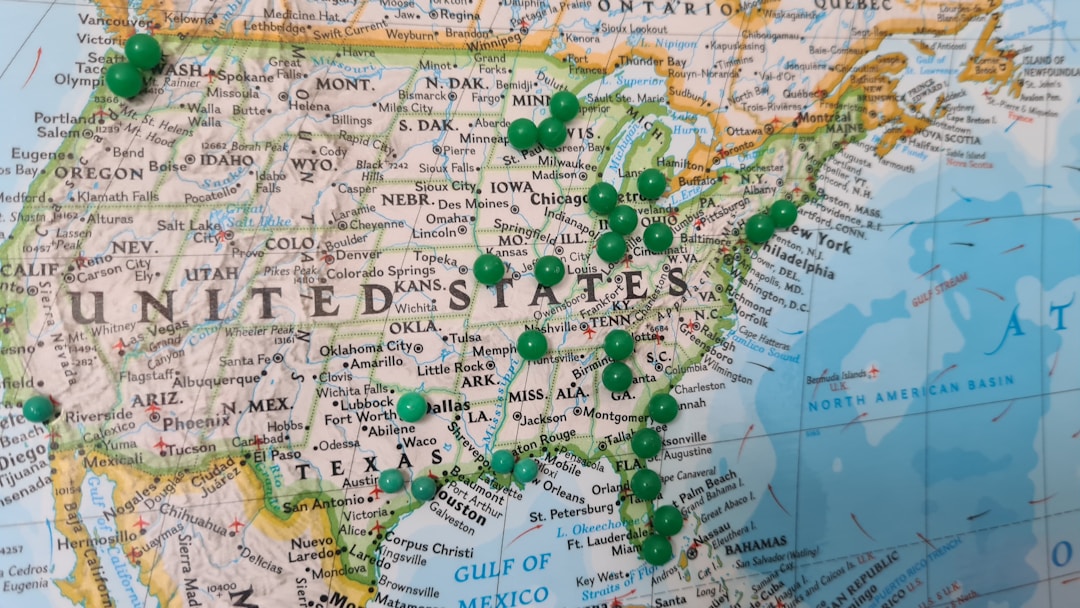
Currently, at least 11 states have laws that limit or prohibit intoxicating hemp products, separate from the federal timeline: Arkansas, Hawaii, Alaska, Delaware, Idaho, Iowa, Kansas, New Hampshire, North Dakota, Rhode Island, South Dakota and Tennessee. The restrictions have already taken effect in these states and will not be affected by Congress.
A second group of states — including Virginia, Colorado, New Jersey, and California — have adopted stricter caps or licensing requirements (such as per-package THC limits or dispensary-only sales) ahead of the federal change, meaning the November deadline will have limited additional impact there.
All other states currently follow the federal baseline and will be directly affected when the new definition takes effect.
Note: State-level hemp law is being actively litigated in multiple states this year, including court challenges that have temporarily paused enforcement of at least one state ban. Treat any state list as a snapshot — confirm current status before making inventory decisions.
What Should Smoke Shops and CBD Retailers Do Before November 12?
1. Audit current inventory against the total-THC standard, not just Delta-9 content.
2. Flag non-compliant SKUs so staff aren't guessing at checkout.
3. Contact distributors about which products are being reformulated to meet the 0.4mg cap and which are being discontinued.
4. Plan a sell-down timeline rather than waiting until the final weeks, when every retailer will be competing to clear the same inventory.
5. Check state-specific rules if you operate in more than one state – federal compliance does not guarantee state compliance.
Selling a product after it’s reclassified is not a minor compliance issue — the product becomes a controlled substance under federal law, which carries materially higher risk than a regulatory fine.
How Quickvee Helps Retailers Manage This
Quickvee’s POS platform gives smoke shop, vape, and CBD retailers tools to manage exactly this kind of shifting compliance landscape:
- SKU-level compliance flagging — see at a glance which products are affected by the total-THC threshold
- State-level rule tagging — for multi-location retailers, so a product restricted in one state isn’t treated the same as it is elsewhere
- Built-in age verification and ID scanning at checkout
- Inventory reporting that surfaces THC/hemp exposure across your full catalog, so sell-down planning happens on your terms, not the deadline’s
Frequently Asked Questions
It depends on your state. At least 11 states already restrict or ban Delta-8 independent of federal law. In states without an independent ban, Delta-8 remains legal under the current federal Farm Bill standard until November 12, 2026.
Under the new total-THC standard, THCA counts toward the 0.4mg container cap. Most current THCA flower and concentrates exceed that limit, meaning they would no longer qualify as legal hemp once the law takes effect.
No. Broad-spectrum and THC-isolate CBD products with no THC content are unaffected. Full-spectrum CBD, which retains trace THC, is affected.
A one-month delay has passed the Senate as part of a funding bill but requires House approval and a presidential signature to take effect. As of August 2026, it is not yet law.
No. It's a redefinition of what qualifies as legal hemp under federal law, combined with a separate patchwork of state-level restrictions. The practical effect is similar — most current hemp-derived THC products become illegal to sell — but it's a regulatory reclassification, not a direct ban on THC itself.
Recent Blogs
Is THC Banned in 2026? State-by-State Guide for Retailers
August 24, 2026
Square CBD Shutdown: What Hemp and CBD Merchants Need to Do Now
August 11, 2026
Delta 8 vs Delta 9 vs THCA: 2026 Smoke Shop Guide
July 16, 2026
How to Increase Smoke Shop Sales with Online Ordering
June 10, 2026